

Needlestick injuries (NSIs) from insulin injections represent a major ongoing threat to the occupational safety of nurses and other healthcare workers1
In a survey, almost 1 in 4 nurses (~24%) experienced NSIs from giving injections to patients with diabetes.1-3*
Consequences run far beyond
moment of an accidental NSI1,4-5

Financial loss
A single NSI can be costly—from initial treatment to compensation and potential litigation.5

Biological risk
Potential exposure to over 20 types of bloodborne viruses, including HIV and hepatitis.4

Psychological distress
Workers who experience an NSI can experience significantly higher levels of anxiety and workplace trauma.6†
Backed by our 100-year legacy, embecta offers safety-engineered devices to support your culture of safety
Did you know that protection at both ends of the pen needle is important to reducing risk of NSIs?
AutoShield DuoTM is designed to reduce the risk of accidental NSIs with automatic dual-ended protection.
Learn More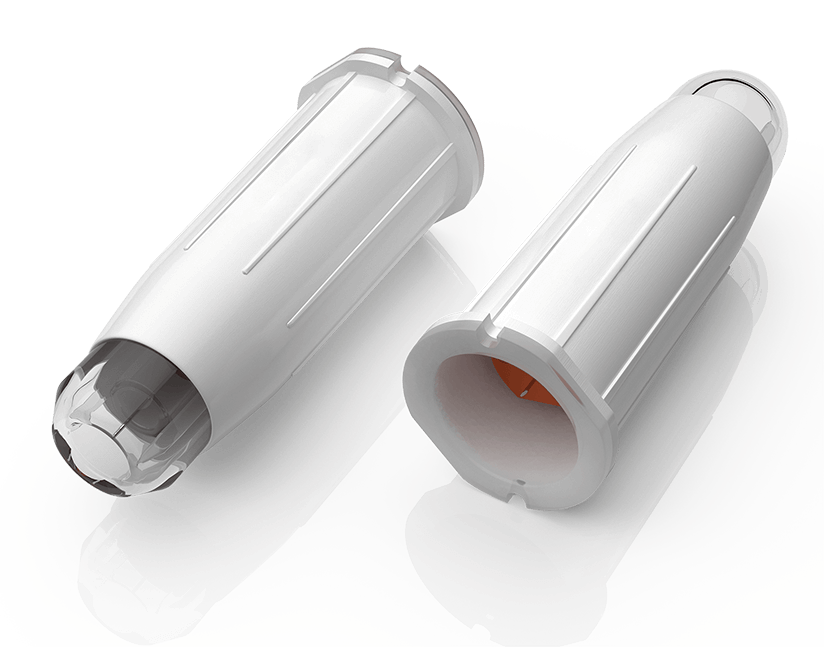
Did you know there is a safety insulin syringe with a 6mm needle?
The Ultra-FineTM SAFETY Insulin Syringe with a 6mm needle has a one-handed safety mechanism to help protect healthcare workers from NSIs.
Learn More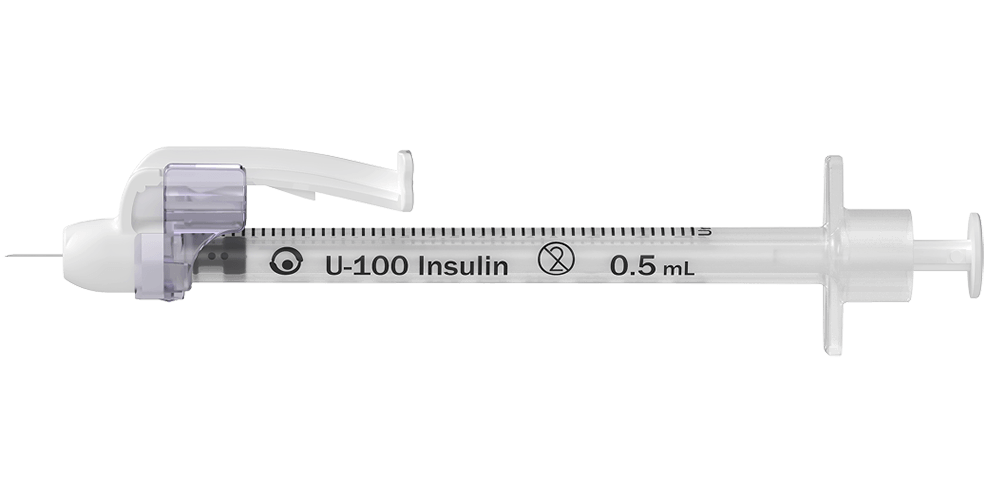

embecta offers a multi-faceted approach to NSI prevention to address the current and evolving needs of healthcare workers who are increasingly at risk including:
- Safety-engineered devices designed to support safe injection practices
- Comprehensive support across the continuum of care
- Leadership and commitment to diabetes care

Our team is here to help
Learn more about our safety solutions, ask questions, or order an insulin injection technique training toolbox.
*400 nurses in 381 different hospitals in the US voluntarily completed a survey.
†Study of 932 healthcare workers at 4 tertiary hospitals in Laos separated into 2 groups: those who had experienced a needlestick injury during the previous 6 months and those who had not. Data were collected during in-person interviews using a structured questionnaire designed to measure anxiety and fear.
References
1. Frid AH, Kreugel G, Grassi G, et al. New Insulin Delivery Recommendations. Mayo Clin Proc. 2016;91(9):1231-1255.
2. Lee JM, Botteman MF, Nicklasson L, Cobden D, Pashos CL. Needlestick injury in acute care nurses caring for patients with diabetes mellitus: a retrospective study. Curr Med Res Opin. 2005,21(5):741-747.
3. Frid AH, Kreugel G, Grassi G, et al. New insulin delivery recommendations. Mayo Clin Proc. 2016;91(9)(suppl appendix 14):1-3. doi:10.1016/j.mayocp.2016.06.010.
4. Yang L, Mullan B. Reducing needle stick injuries in healthcare occupations: an integrative review of the literature. ISRN Nurs. 2011;2011:315432.
5. Mannocci A, De Carli G, Di Bari V, et al. How Much do Needlestick Injuries Cost? A Systematic Review of the Economic Evaluations of Needlestick and Sharps Injuries Among Healthcare Personnel. Infect Control Hosp Epidemiol. 2016;37(6):635-646.
6. Matsubara C, Sakisaka K, Sychareun V, Phensavanh A, Ali M. Anxiety and perceived psychological impact associated with needle stick and sharp device injury among tertiary hospital workers, Vientiane, Lao PDR. Ind Health. 2020 Aug 7;58(4):388-396.