


Conferma operatore sanitario
Le informazioni contenute in questa pagina sono destinate esclusivamente agli operatori sanitari. Facendo clic sulla casella in basso confermi di essere un operatore sanitario.
Le ferite da ago durante le iniezioni di insulina mettono a repentaglio la sicurezza occupazionale di infermieri e altri operatori sanitari1
Secondo un’indagine, quasi 1 infermiere su 4 (~24%) ha subito una ferita da ago dopo l’iniezione di insulina in pazienti diabetici.1,3*
Le conseguenze vanno ben oltre il momento in cui si produce la ferita accidentale da ago1,4,5

Perdite economiche
Il costo di una ferita da ago può essere notevole, dal trattamento iniziale all’indennità fino al rischio di eventuali contenziosi legali.5

Rischio biologico
Esposizione potenziale a oltre 20 tipi di virus a trasmissione ematica, inclusi l’HIV e l’epatite.4

Stress psicologico
Gli operatori che subiscono delle ferite da ago possono manifestare livelli molto più elevati di ansia e traumi occupazionali.6†
Forte di un’esperienza centenaria ereditata da BD, oggi embecta offre dispositivi dotati di meccanismo di sicurezza progettati per sostenere la tua cultura della sicurezza
Sapevi che la protezione su entrambe le estremità dell’ago per penna è importante per ridurre il rischio di ferite da ago?
AutoShield DuoTM è dotato di una doppia protezione automatica progettata per ridurre il rischio di ferite da ago accidentali.
SCOPRI DI PIÙ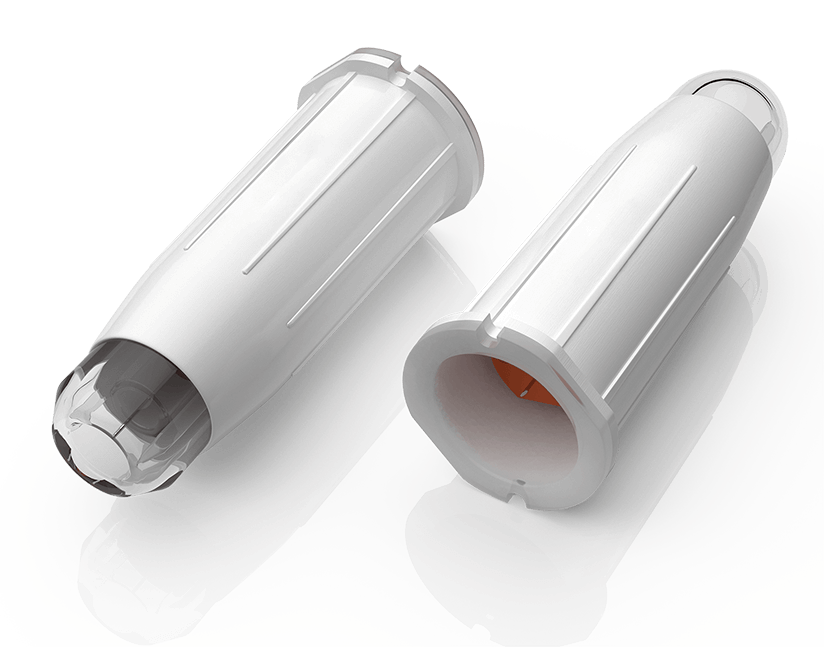
Sapevi che esistono siringhe per insulina di sicurezza?
La siringa per insulina BD SafetyGlideTM è dotata di un dispositivo di sicurezza attivabile con una sola mano per proteggere gli operatori sanitari dalle ferite da ago.
SCOPRI DI PIÙ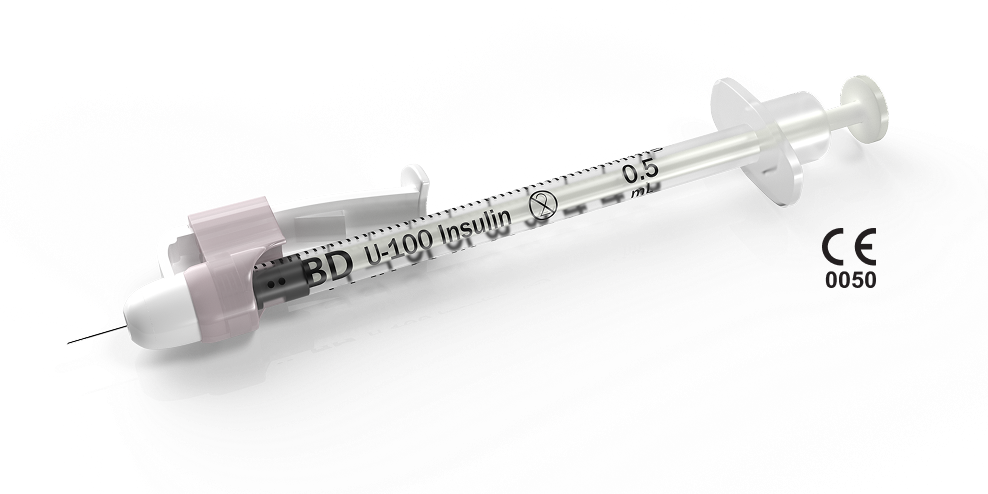

embecta offre un approccio integrale alla prevenzione delle ferite da ago, volto a soddisfare le esigenze attuali e future dei professionisti sanitari che sono sempre più soggetti al rischio di ferite da ago. Tale approccio include:
- Dispositivi dotati di meccanismo di sicurezza progettati per supportare pratiche di iniezione sicure
- Un supporto che abbraccia tutto il percorso assistenziale
- Leadership e impegno per la cura del diabete
*Indagine condotta su base volontaria su 400 infermieri in 381 ospedali americani.
†Studio condotto su 932 operatori sanitari presso 4 ospedali terziari in Laos, suddivisi in 2 gruppi, a seconda se avevano subito o meno una ferita da ago nei 6 mesi precedenti. I dati sono stati raccolti nel corso di interviste svolte di persona mediante un questionario strutturato per la misurazione dell’ansia e della paura.
Bibliografia
1. Frid AH, Kreugel G, Grassi G, et al. New Insulin Delivery Recommendations. Mayo Clin Proc. 2016;91(9):1231-1255.
2. Lee JM, Botteman MF, Nicklasson L, Cobden D, Pashos CL. Needlestick injury in acute care nurses caring for patients with diabetes mellitus: a retrospective study. Curr Med Res Opin. 2005,21(5):741-747.
3. Frid AH, Kreugel G, Grassi G, et al. New insulin delivery recommendations. Mayo Clin Proc. 2016;91(9)(suppl appendix 14):1-3. doi:10.1016/j.mayocp.2016.06.010.
4. Yang L, Mullan B. Reducing needle stick injuries in healthcare occupations: an integrative review of the literature. ISRN Nurs. 2011;2011:315432.
5. Mannocci A, De Carli G, Di Bari V, et al. How Much do Needlestick Injuries Cost? A Systematic Review of the Economic Evaluations of Needlestick and Sharps Injuries Among Healthcare Personnel. Infect Control Hosp Epidemiol. 2016;37(6):635-646.
6. Matsubara C, Sakisaka K, Sychareun V, Phensavanh A, Ali M. Anxiety and perceived psychological impact associated with needle stick and sharp device injury among tertiary hospital workers, Vientiane, Lao PDR. Ind Health. 2020 Aug 7;58(4):388-396.